The key points from this article
- Aloe vera, often called the “plant of life,” has always aroused the curiosity and admiration of many civilizations.
- Historical records and traditions, from Mesopotamia and Sumer to Egyptian pharaohs and Greek thinkers, indicate that aloe was highly valued for its therapeutic, cosmet...
- For personal questions, continue with a recommendation so the next step fits your situation.
Products most closely related to this topic
If you want to compare concrete options after reading, these products are the closest match to the article topic.
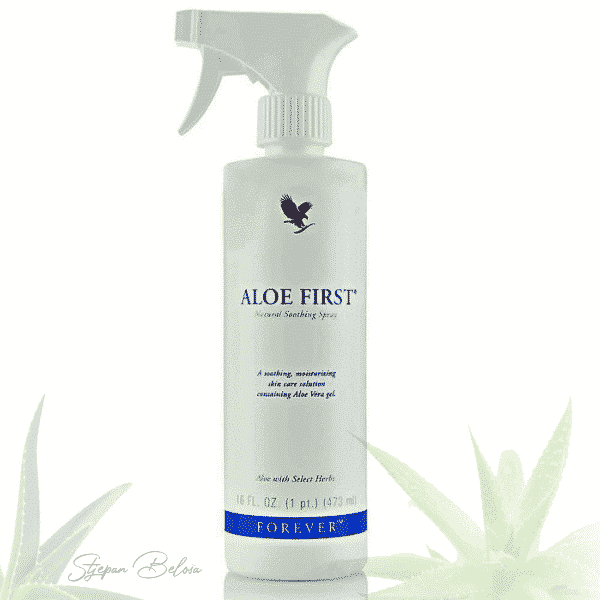 Aloe First – First aid for the skin with Aloe vera and propolis
A practical outer-care product when the goal is skin comfort and a simpler care routine.
Closest to a care routine for skin, hair or everyday personal care.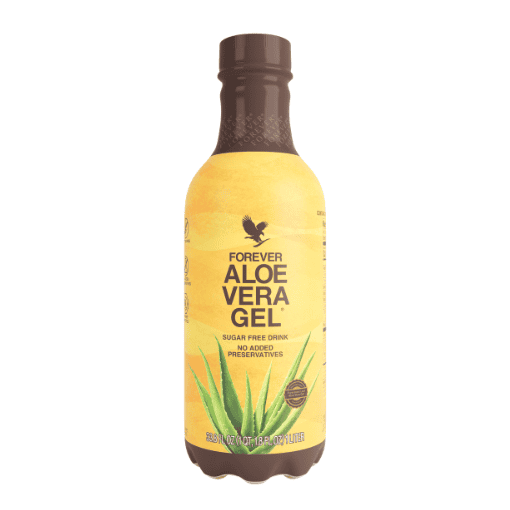 Aloe Vera Gel
A daily aloe drink for people who want simple support for digestion and routine.
It makes sense if you are looking at the topic through digestion and a simpler daily routine. Forever Bee Honey
Natural daily support when you want a bee-derived or botanical product for energy and resilience.
A good comparison if you want natural daily support and a calmer ritual.Aloe Vera – a miraculous plant throughout history and today
Aloe vera, often called the “plant of life,” has always aroused the curiosity and admiration of many civilizations. Historical records and traditions, from Mesopotamia and Sumer to Egyptian pharaohs and Greek thinkers, indicate that aloe was highly valued for its therapeutic, cosmetic, and symbolic values. The term “plant of life” was not coined by chance; many considered it divine precisely because of its wide range of benefits. In this article, we will explore how aloe vera was used throughout various historical periods and cultures, what medicinal and cosmetic properties were attributed to this plant, and why it is still relevant and sought after in the world of wellness, cosmetics, and alternative health approaches today. If you are ready to immerse yourself in a story that combines ancient history with modern online business opportunities, keep reading – because aloe vera may also become your path to new business success.
Mesopotamia, the Sumerians and the first records of the use of aloe
If we were to search for the cradle of civilization, we would probably agree that one of its starting points was the region of Mesopotamia, or the fertile crescent that stretched between the Euphrates and Tigris rivers. The Sumerians and other peoples of that area left numerous clay tablets on which they recorded medical prescriptions and religious rites. It is on such tablets, which are believed to be around 2200 years old, that a record was found of a plant whose leaves “resemble sword sheaths.”
Today, it is clear that this description refers to aloe vera. According to these early writings, the extract from the leaves was used for medicinal purposes – primarily to treat digestive problems and relieve inflammation. These earliest records clearly show that the medicinal properties of aloe vera were well known in the region, and the Assyrians called its juice “sibaru” or “subaru.” It was most often used as a natural laxative and anti-flatulence agent, which was especially true at a time when nutrition was poor and often caused digestive problems.
Aloe Vera and Egypt – a symbol of immortality and beauty
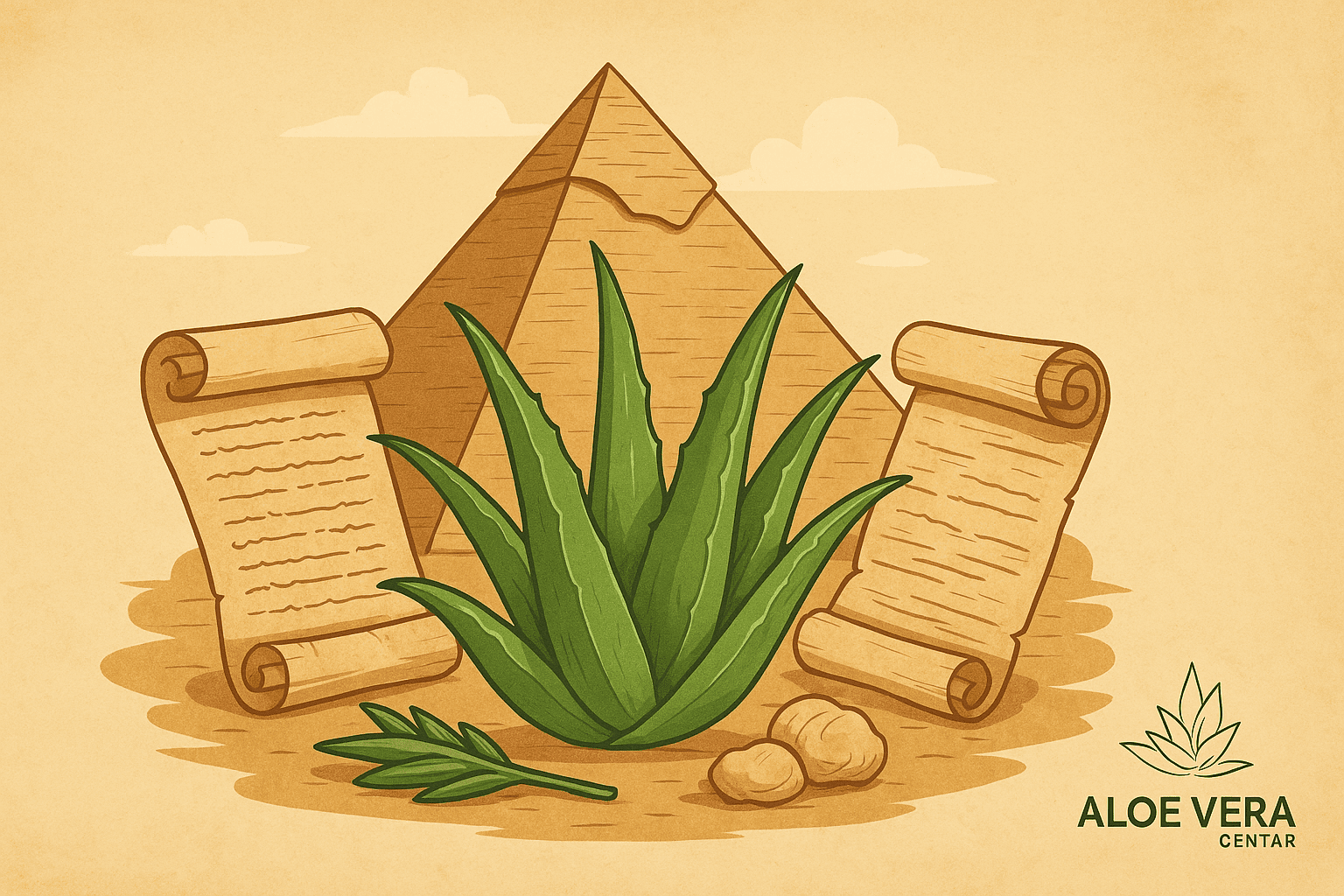
Egypt was another important center of the development of medicine and pharmacology in ancient times. Aloe acquired an almost divine status there. According to legend, the pharaohs used it as an elixir for long life, believing that the “plant of immortality” would accompany them into the afterlife. That is why aloe was often planted inside the pyramids and along the road to the Valley of the Kings.
Cosmetic uses of aloe were also very widespread. Egyptian women, especially those of the upper class, used aloin juice for skin and hair care. There are many stories about Queen Cleopatra who allegedly put drops of aloe in her eyes to make her vision clearer and brighter, while Nefertiti before her is said to have bathed in a mixture of donkey (or mare's) milk and aloe to keep her skin soft and fresh.
The Ebers Papyrus, which dates back to around 1550 BC, mentions hundreds of herbal, mineral and animal-based preparations and recipes. Among them are instructions for poultices, teas, creams and ointments for inhalation, which also contain traces of the use of aloe. The Egyptians of that time valued it as an excellent laxative and digestive aid, but also for beauty thanks to the presence of antioxidants and minerals such as magnesium and amino acids such as proline.
If you want to learn more about how aloe vera is used today, be sure to visitAloe Vera gel 100% NATURAL Aloe Vera. There you will find a wealth of useful information about contemporary applications that interestingly combine ancient tradition with modern science.
Aloe Vera and the Ancient Greeks – a connection to beauty, patience and destiny
For the ancient Greeks, aloe was not just a plant for healing wounds or regenerating the skin. It also reflected values such as beauty, patience, and personal destiny. The father of Western medicine,Hippocrates, cited it in his writings as a means of strengthening hair roots and stopping hair loss. His work also suggests that aloe could relieve stomach pain and ease digestive problems, including dysentery and various inflammatory processes in the intestines.
Another interesting legend is associated with Alexander the Great and his teacher Aristotle. According to legend, it was Aristotle who advised Alexander to conquer the island of Socotra (Sukutra) in the Indian Ocean, which was the center of the cultivation of “juicy aloe” (Aloe succotrina). The inhabitants there developed the skill of growing and trading aloe, and their products were renowned as the highest quality throughout the Mediterranean and as far away as China. Legend has it that Alexander “brought his wounded soldiers back to life” with aloe preparations.
This story, although perhaps partly a myth, is a strong indication of how much both Greek and Roman culture respected the therapeutic value of aloe, especially in times when military campaigns were frequent and the need for a quick recovery of soldiers was great.
Chinese and Indian tradition - wide application of aloe
While aloe vera has gone through periods of popularity and oblivion in Western tradition, it has remained a constant companion in medical practices in Eastern cultures.Chinese, Tibetan, and Ayurvedic medicine deeply valued the medicinal properties of many plants, including aloe. Of particular interest is the mention of from the center of the aloe leaf is considered safe to consume. The yellowish sap (latex) just below the leaf's skin can be very bitter and potentially irritating to the digestive tract, and contains aloin, which can have a laxative effect. Therefore, it is recommended to remove the skin and rinse the gel thoroughly before consumption.
3. Does aloe vera really help with sunburn?
Yes, many users, as well as some research, have confirmed that aloe gel can speed up healing and bring relief to mild burns. It has soothing and cooling properties, which help reduce redness and itching.
4. Can aloe replace medical treatment?
No. Aloe vera certainly has a number of beneficial effects, but it should not be considered a substitute for professional medical care or prescribed therapy. For serious health problems, professional advice and supervision is always necessary.
5. How to store aloe products?
Fresh gel cut from the leaf is best used immediately or stored briefly in the refrigerator, protected from light and air. Commercial products, such as juices and creams, usually contain certain preservatives and stabilizers, which prolong their shelf life. Be sure to follow the manufacturer's instructions on the packaging.
Conclusion
From Mesopotamian clay tablets to Egyptian papyri, from Greek myths to Arab traders, aloe vera has always left a deep mark on many cultures. Known as a herbal treasure that helps heal wounds, care for the skin, and support overall health, aloe has found itself on the path of numerous military and trade expeditions throughout history.
Thanks to modern research, many old beliefs about the medicinal and cosmetic properties of this plant have been confirmed. Now, in the era of digital progress, aloe vera is once again becoming the basis of many business models, offering the possibility of additional income for anyone interested in a natural approach to health and beauty.
If you want to become a part of this story and discover how you can turn the tradition and power of aloe vera into your own success, don't forget that the options are wider than ever. Whether it's blogging, a web shop, collaborating with famous brands, or your own product line, aloe vera can be your inspiration for online business.
Step into a world where history meets the future. With Forever Living Products and our team of experts, you have the opportunity to explore new horizons – business and personal. Remember, aloe was once a symbol of immortality and endless life. Today, it can be a symbol of your courage and entrepreneurial spirit.
This article is for informational purposes only and does not constitute medical advice. In case of serious health problems, please consult a qualified professional.
Products most closely related to this topic
If you want to compare concrete options after reading, these products are the closest match to the article topic.
Aloe First – First aid for the skin with Aloe vera and propolisA practical outer-care product when the goal is skin comfort and a simpler care routine.
Closest to a care routine for skin, hair or everyday personal care.Aloe Vera GelA daily aloe drink for people who want simple support for digestion and routine.
It makes sense if you are looking at the topic through digestion and a simpler daily routine.Forever Bee HoneyNatural daily support when you want a bee-derived or botanical product for energy and resilience.
A good comparison if you want natural daily support and a calmer ritual.Short answers that help
If you are still comparing options, these are the points worth checking before you continue.
What is useful to take from this article?
Use it to understand the topic more clearly and decide whether it connects with your current routine, habits or product comparison.
When should I ask for a recommendation?
Ask when you recognize the topic but are not sure which Forever product or next step fits your situation.
Does this replace professional advice?
Aloe Vera – history, healing properties and modern applications is educational content. For medical conditions, medication, pregnancy or persistent symptoms, include qualified professional advice.
Describe what you want to achieve
If you do not know which product to choose, write your goal, habits or doubts and get a more concrete suggestion.
Recommended products
Related articles to keep exploring