
The key points from this article
- Joint pain can occur at any age and affect people from different lifestyles.
- Although many people first think of the elderly and ailments such as arthritis or arthrosis, the fact is that younger people are also increasingly experiencing discomf...
- For personal questions, continue with a recommendation so the next step fits your situation.
Products most closely related to this topic
If you want to compare concrete options after reading, these products are the closest match to the article topic.
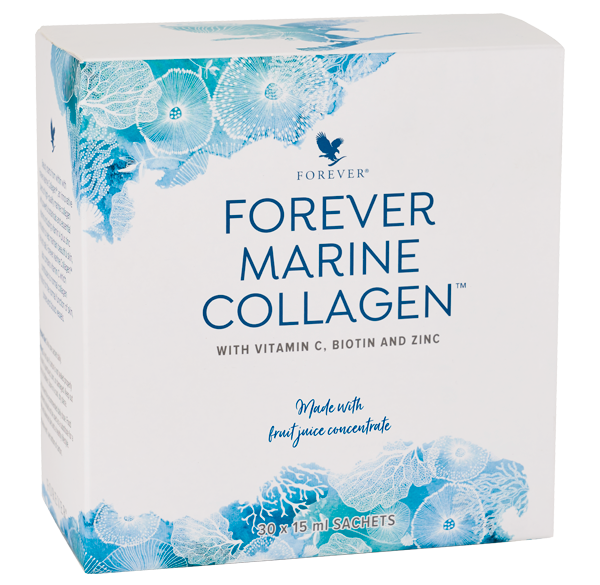 Forever Marine Collagen
A good fit when the goal is a routine for skin, hair, nails or joint-support habits.
Closest to a care routine for skin, hair or everyday personal care.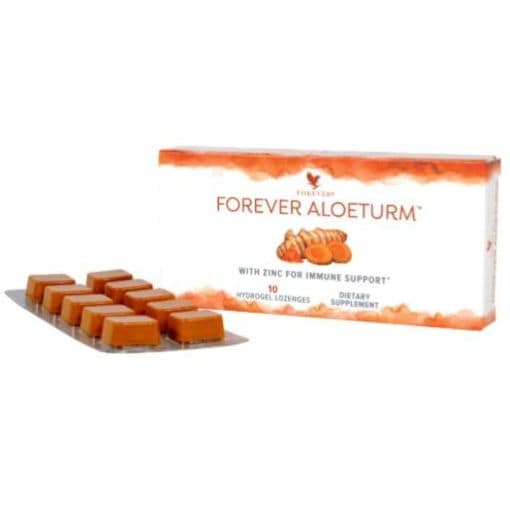 Forever Aloe Turm
Aloe and turmeric in a practical add-on for digestion, joints or daily balance routines.
A good comparison if you want natural daily support and a calmer ritual.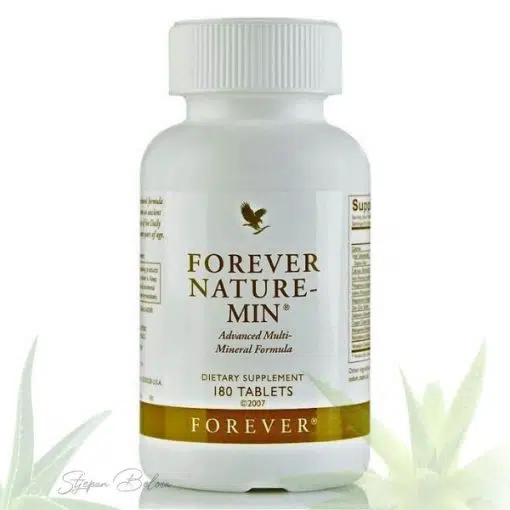 Forever Nature Min
Mineral support when you want an easier way to care for bones and daily nutrition.
Useful to compare when joints, bones or mobility are the topic.Joint pain: causes, natural solutions and practical tips
Joint pain can occur at any age and affect people from different lifestyles. Although many people first think of the elderly and ailments such as arthritis or arthrosis, the fact is that younger people are also increasingly experiencing discomfort, stiffness and difficulty moving. Why is this so, what can cause pain and how can we help ourselves in a natural, holistic way? That is exactly what we are exploring below – focusing on the root cause, without short-term solutions that only mask the symptoms.
As with other health challenges, it's important to look at the bigger picture. Joint health is often linked to digestive health, stress levels, and immune disorders. That's why we'll explain whyautoimmune diseases play a role in joint problems, and where other factors, such as hormonal imbalances or genetic predisposition, fit in. And, of course, we'll offer you tips and tricks that can help ease the pain or even prevent it.
What can cause joint pain?
Joints are complex “joints” of our bones, covered with cartilage and surrounded by synovial fluid. When inflammation, injury or damage occurs, pain and stiffness occur. Here are some of the most common causes:
- Inflammatory diseases – Rheumatoid arthritis and other autoimmune disorders can lead to chronic pain. Interestingly, some people also have low TSH or Hashimoto's, suggesting deeper immune disorders.
- Injuries and trauma – Especially in athletes or people who suddenly begin intense exercise without properly warming up.
- Degenerative processes – Over time, protective cartilage can wear down, leading to osteoarthritis or similar conditions.
- Infections – Bacterial or viral joint inflammation can also cause pain and swelling.
- Associated autoimmune reactions – People who have skin problems like psoriasis or conditions like celiac disease may notice that their joints also occasionally “send signals” in the form of pain and inflammation.
But that's not all... painful joints can be the result of poor nutrition, lack of physical activity, or even stress that causes tension in the entire musculoskeletal system. Therefore, in order to adequately treat them, it is important to understand the bigger picture and go beyond the "diagnosis" to find more lasting solutions.
How to identify the cause of joint pain?
The first step is to carefully analyze your symptoms. Do you experience sharp pain with movement or constant discomfort that worsens after rest? Are there any swelling, redness, or warmth? Does the pain “wander” – sometimes in the knee, sometimes in the elbow? These are all questions that can help guide you and your doctor to a more accurate conclusion.
For example, if it is an autoimmune cause, you may have already noticed other signals, such as skin changes, digestive problems, or hormonal imbalances. In that case, it is worth paying attention to the broader aspects, because the symptoms of immune dysfunctions such asHashimoto's orceliac disease often go hand in hand with joint problems.
Diagnostic workup is often performed, which includes blood tests (rheumatoid factor, CRP, sedimentation rate, antibodies), imaging (X-ray, ultrasound, MRI) or specific tests depending on the suspicion of a particular disease. It is important not to ignore pain and discomfort in the joints, but to seek professional help if it lasts longer than a few weeks or recurs frequently.
Joint pain: natural solutions and a holistic approach
When joints hurt, many people will first reach for painkillers or anti-inflammatories. But beyond short-term relief, there are a number of natural methods and habits that can help reduce discomfort and maintain joint health in the long term.
1. Customized diet
- Anti-inflammatory foods: Include more salmon, mackerel, avocados, olive oil, vegetables and fruits rich in antioxidants.
- Reduce processed foods: Refined sugars, hydrogenated fats, and alcohol often increase inflammation.
- Test for food sensitivities: If you suspect an autoimmune mechanism, check to see if gluten or dairy products bother you.
2. Additional nutrients for joints
3. Movement and exercise
Although it may seem counterintuitive if your joints are hurting, moderate exercise can really help. Swimming, yoga, or a light walk can help relieve stress on your joints, improve circulation, and strengthen the muscles that support your joint structures. Of course, if your pain is severe, consult a physical therapist or professional to adjust your activities.
4. Stress management
You may be wondering what stress has to do with joint pain? Stress increases levels of cortisol and other hormones that can trigger or increase inflammation in the body, especially in people prone to autoimmune reactions. Relaxation techniques, meditation, or even short breathing breaks can reduce tension and have a positive effect on joints.
5. Association with autoimmune disorders
We’ve already mentioned that joint pain often overlaps with other autoimmune diseases. An example isautoimmune disease – when the body “gets confused” and attacks its own tissues. That’s why it’s a good idea to check your thyroid (especially if you suspectlow TSH) or monitor other related symptoms. For some people, addressing the underlying cause, i.e. the autoimmune imbalance, brings the most relief.
Tips for daily routine and prevention
When joint pain is infrequent and short-lived, we often ignore it. However, over time, it can become more persistent and significantly affect the quality of life. Therefore, it is a good idea to introduce preventive habits:
- Regular stretching exercises – especially before and after physical activity
- Sleeping on a comfortable mattress – good rest is key to body regeneration
- Good posture – proper posture when sitting and standing reduces pressure on the joints
- Adequate fluid intake – dehydration can “wash out” essential electrolytes and worsen inflammation
- Supplementation as needed – vitamin D, magnesium or collagen, depending on the recommendations of experts
Natural supplement support and AI advisor
Modern lifestyles bring with them a plethora of options for additional support. For example, many have discovered the benefits of aloe vera for immunity, as well as general tissue hydration. Also, some studies have shown that collagen peptides can help with cartilage repair. If you are wondering which products and steps you should consider, you canuse our AI advisor, which guides you through a few practical questions to the most relevant solutions. Keep in mind that everyone is unique, so what helps your neighbor may not necessarily be ideal for you.
Practical experiences: Damir's story
Damir (49) has struggled with occasional knee pain for years. At first, he attributed it to “work fatigue” and sitting at a computer, but the pain became more intense and the stiffness more pronounced after waking up. After a medical examination, he discovered that he had inflammation that “flirted” with an autoimmune background. He was advised to undergo detailed tests, include moderate exercise, and consider changing his diet.
Damir introduced morning stretching, started taking a natural collagen supplement, and eliminated industrial snacks and sweets from his diet. He began to pay attention to symptoms that could indicate other ailments, such asHashimoto's (he already had energy and mood problems, but ignored them). Over time, he noticed that his inflammation decreased, and his morning stiffness almost disappeared. Today, he realizes that his “painful joints” were a sign to change his lifestyle, and not just a problem that needed to “wait it out.”
Frequently asked questions
1. Is joint pain a sign of aging?
It is often thought that painful joints are just a part of aging, but this is not entirely true. Younger people can also have problems due to poor diet, lack of exercise, or genetic predisposition. However, it is true that the risk increases with age, as cartilage can wear down.
2. What is the difference between rheumatoid and osteoarthritis?
Rheumatoid arthritis is an autoimmune disorder in which the immune system attacks the joints, while osteoarthritis is a degenerative disease caused by the wear and tear of cartilage. In rheumatoid arthritis, symmetrical joint involvement (eg, both hands) is more common.
3. Can diet really affect joint pain?
Yes. Foods rich in anti-inflammatory compounds can reduce inflammation in the body. Similarly, excessive intake of saturated fats and refined sugars can increase it. Many people report noticeable improvement when they introduce more vegetables, fruits, healthy fats, and cut out processed foods.
4. How do you know if the pain is caused by an autoimmune reaction?
A typical example is when a “wandering” pain occurs, accompanied by other symptoms such as fatigue, rash, digestive problems or hormonal imbalances. Medical tests – such as antinuclear antibodies (ANA), rheumatoid factor or specific tests – can confirm the suspicion.
Conclusion
Joint pain can be a warning sign that something is out of balance in the body. Sometimes it's a simple mechanical injury or a one-time inflammation, but often there's a deeper story going on behind the scenes, involving autoimmune mechanisms, nutritional deficiencies, and bad lifestyle habits. The good news? With lifestyle changes, targeted nutrition, supplements, and regular physical activity, we can do a lot to relieve pain and maintain joint health.
Products most closely related to this topic
If you want to compare concrete options after reading, these products are the closest match to the article topic.
Forever Marine CollagenA good fit when the goal is a routine for skin, hair, nails or joint-support habits.
Closest to a care routine for skin, hair or everyday personal care.Forever Aloe TurmAloe and turmeric in a practical add-on for digestion, joints or daily balance routines.
A good comparison if you want natural daily support and a calmer ritual.Forever Nature MinMineral support when you want an easier way to care for bones and daily nutrition.
Useful to compare when joints, bones or mobility are the topic.Short answers that help
If you are still comparing options, these are the points worth checking before you continue.
What is useful to take from this article?
Use it to understand the topic more clearly and decide whether it connects with your current routine, habits or product comparison.
When should I ask for a recommendation?
Ask when you recognize the topic but are not sure which Forever product or next step fits your situation.
Does this replace professional advice?
Joint pain - recognize the causes and natural methods of relief is educational content. For medical conditions, medication, pregnancy or persistent symptoms, include qualified professional advice.
Describe what you want to achieve
If you do not know which product to choose, write your goal, habits or doubts and get a more concrete suggestion.
Recommended products
Related articles to keep exploring