The key points from this article
- Acid reflux isn't just an uncomfortable burning sensation in your esophagus after meals.
- It's a sign that your stomach and esophagus are arguing about what you've just eaten.
- For personal questions, continue with a recommendation so the next step fits your situation.
Products most closely related to this topic
If you want to compare concrete options after reading, these products are the closest match to the article topic.
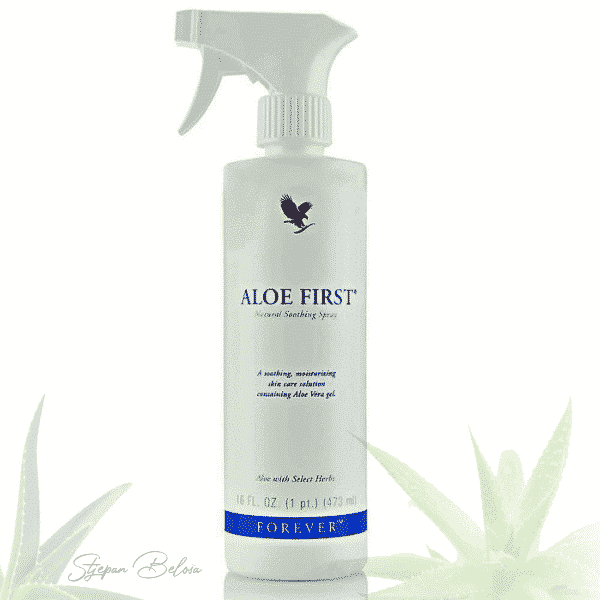 Aloe First – First aid for the skin with Aloe vera and propolis
A practical outer-care product when the goal is skin comfort and a simpler care routine.
Closest to a care routine for skin, hair or everyday personal care.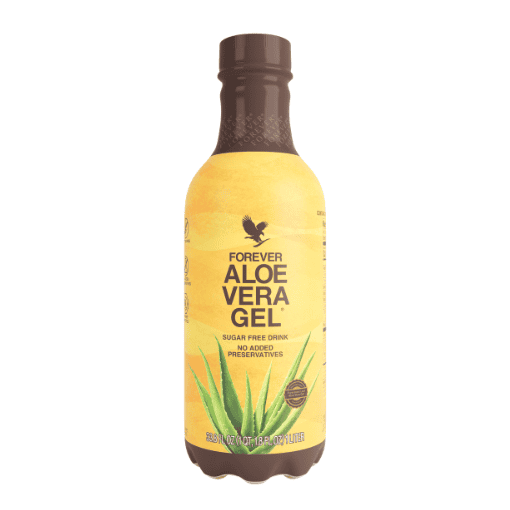 Aloe Vera Gel
A daily aloe drink for people who want simple support for digestion and routine.
It makes sense if you are looking at the topic through digestion and a simpler daily routine. Forever Active Pro B
Probiotic support when you want an easier daily way to care for digestion.
It makes sense if you are looking at the topic through digestion and a simpler daily routine.Natural Remedies for Acid Reflux: Aloe, Ginger, and Dietary Guidelines
Acid reflux isn't just an uncomfortable burning sensation in your esophagus after meals. It's a sign that your stomach and esophagus are arguing about what you've just eaten. If you've ever experienced a sour taste in your mouth or pressure in your chest, you know how exhausting the symptoms can be. Below, you'll find a comprehensive guide with natural strategies that really work – from soothing aloe vera to aromatic ginger, to smart dietary rules that keep acid under control.
1. What Exactly is Acid Reflux?
Reflux occurs when the muscular ring at the bottom of the esophagus (lower esophageal sphincter) doesn't close tightly enough, allowing stomach acid to flow back toward the throat. The result?Burning, bloating, belching, and sleep disturbances. According to clinical guidelines, when symptoms occur more than twice a week, it's called gastroesophageal reflux disease (GERD).
2. Why Choose a Natural Approach?
Medications like proton pump inhibitors reduce acid, but long-term use can disrupt nutrient absorption. Natural methods don't forcefully eliminate acid – they strengthen the mucosa, promote peristalsis, and balance digestion.The good news? You probably already have most ingredients in your kitchen or on your supplement shelf.
3. Aloe Vera – a Soothing Balm for the Esophagus
Aloe is known for its anti-inflammatory and reparative effects. The gel coats irritated mucosa and creates a barrier that reduces burning. Onestudy showed that taking 30 ml of stabilized gel daily reduces heartburn within four weeks.
For practical application, look forForever Aloe Vera Gel – a stabilized drink rich in acemannan and enzymes. Take 15-30 ml,15 minutes before meals, and let it do its soothing work.
4. Ginger – an Aromatic Shield against Acid
Ginger contains gingerol and shogaol – compounds that accelerate stomach emptying and reduce pressure on the esophageal sphincter. According to an analysis published onHealthline, 1-1.5g of dried powder daily can relieve nausea and bloating.
How to use it?
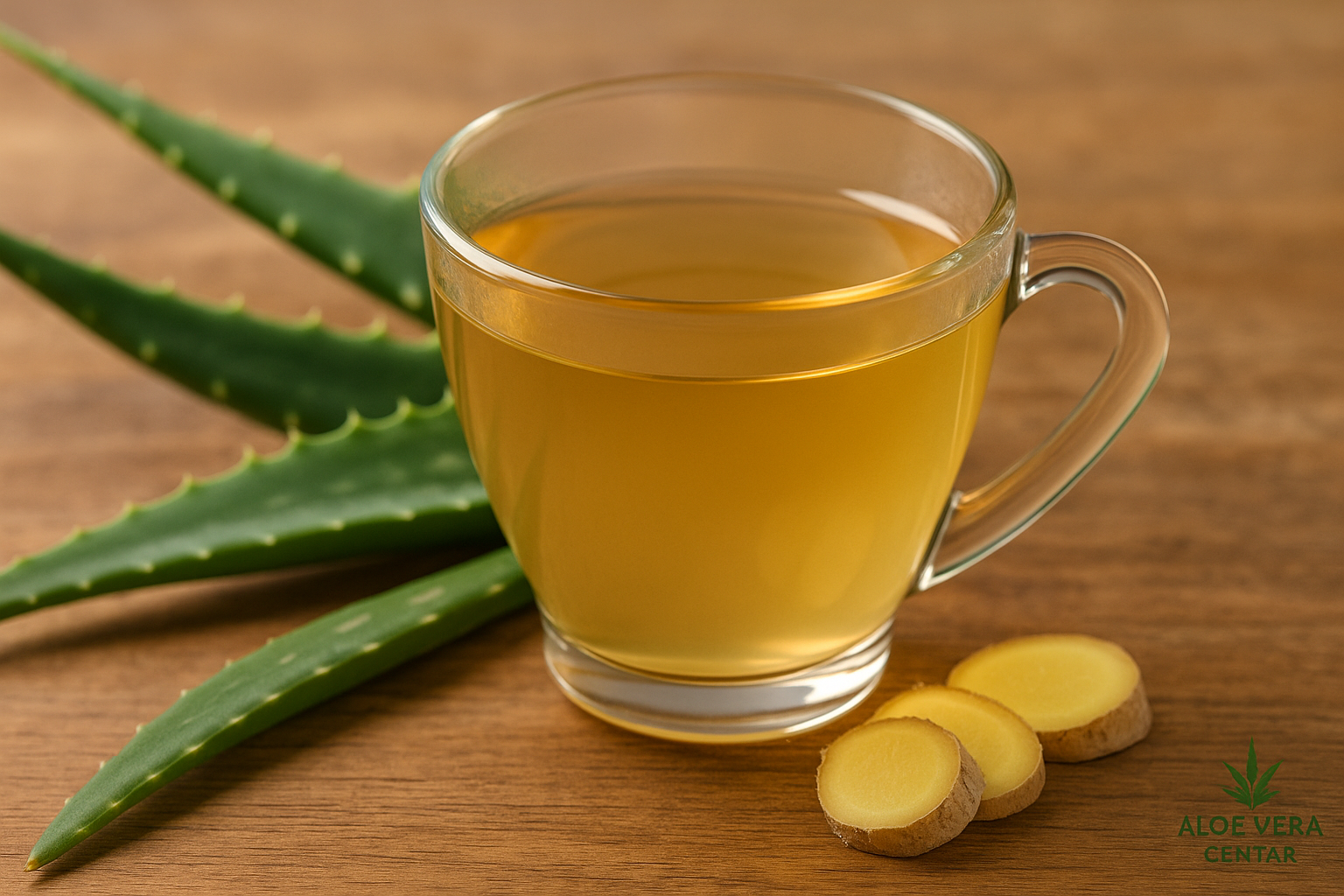
- Tea: Boil 3 slices of fresh root for five minutes, sip warm before meals.
- Smoothie: Add half a teaspoon of ground ginger and 30 ml of aloe gel to a smoothie with banana and oat milk.
- Capsules: If you're in a hurry, a supplement with marked gingerol content will ensure dose consistency.
5. Dietary Guidelines that Keep Acid in Check
5.1 Foods that Help
- Oatmeal – binds excess stomach acid.
- Bananas and melons – naturally alkaline, neutralize burning.
- Sugar-free fermented products (e.g., kefir) – support healthy microbiome.
- Homemade vegetable broth – light but rich in minerals.
For more detailed instructions on how fiber and probiotics support peristalsis, check out the articlealoe vera juice and fiber for digestion.
5.2 Foods that Don't Help
- Fried and fatty foods – slow down stomach emptying.
- Carbonated drinks – promote belching and raise acid.
- Tomatoes, chocolate, and citrus fruits – trigger burning in sensitive individuals.
- Alcohol and coffee on an empty stomach – further relax the esophageal sphincter.
6. Small Daily Habits with Big Impact
- Eat smaller, more frequent meals – a palm-sized plate is your daily compass.
- Don't lie down for at least two hours after eating.
- Raise your headboard by 10-15 cm to use gravity during sleep.
- Exercise gently: a 20-minute walk after dinner speeds up stomach emptying.
- Practice breathing techniques – explore the concept of Power of Silence for a quick mental reset.
7. How to Combine Aloe and Ginger in your Daily Routine
Here's a simple morning ritual that clients love for its quick preparation:
- Add 30 ml of aloe gel to a glass of warm water.
- Stir in a teaspoon of freshly grated ginger.
- Drink 15 minutes before breakfast. You'll feel a mild warmth – a sign that the ginger is working.
You might wonder why the combination works so well? Here's the deal: aloe covers and protects, while ginger pushes back excess acid and speeds up emptying. Double benefit!
8. When to Seek Professional Help?
If you experience chest pain radiating to your arm, difficulty swallowing, or unexplained weight loss, contact your doctor immediately. Natural methods are powerful allies but aren't a substitute for medical diagnosis with serious symptoms.
9. Frequently Asked Questions
How Long should I Take Aloe Gel to See Results?
Most people notice relief after 1-2 weeks of regular use, but at least a month is recommended for stable results.
Can I Use Ginger if I Have a Sensitive Stomach?
Yes, but start with a smaller dose (half a gram of dried powder) and gradually increase. If discomfort occurs, reduce the amount or consume it in tea with honey.
What's the Best Mealtime to Prevent Reflux?
Ideally, eat dinner at least three hours before bedtime. This gives your stomach enough time to empty, reducing the likelihood of nighttime burning.
What if I'm Already Taking Reflux Medication?
Natural supplements like aloe and ginger usually combine well with therapy, but definitely consult your doctor to avoid interactions.
Conclusion
More Useful Resources for Reflux Relief
Want to expand your arsenal of natural tricks? Check out our guidenatural remedy for heartburn with a detailed list of foods and herbal preparations that help.
If you're particularly interested in ginger, read the article about itsrefreshing and anti-inflammatory properties and explore the difference betweenpowdered and fresh ginger root – both have their place in your kitchen and routine.
For a broader picture of how daily habits affect digestion, there's also an overview ofalcohol and coffee and their impact on stomach and immunity.
Finally, if you need quick tricks for immediate relief, check out the guidefirst aid for heartburn – a practical reminder of what to eat and what to avoid when burning occurs.
By combining aloe vera, ginger, and mindful dietary choices, you create long-term protection – and restore peace to your digestion.
Note: The information in this article is for general education and does not replace professional medical advice. For specific guidelines, consult your doctor or qualified therapist.
Products most closely related to this topic
If you want to compare concrete options after reading, these products are the closest match to the article topic.
Aloe First – First aid for the skin with Aloe vera and propolisA practical outer-care product when the goal is skin comfort and a simpler care routine.
Closest to a care routine for skin, hair or everyday personal care.Aloe Vera GelA daily aloe drink for people who want simple support for digestion and routine.
It makes sense if you are looking at the topic through digestion and a simpler daily routine.Forever Active Pro BProbiotic support when you want an easier daily way to care for digestion.
It makes sense if you are looking at the topic through digestion and a simpler daily routine.Short answers that help
If you are still comparing options, these are the points worth checking before you continue.
What is useful to take from this article?
Use it to understand the topic more clearly and decide whether it connects with your current routine, habits or product comparison.
When should I ask for a recommendation?
Ask when you recognize the topic but are not sure which Forever product or next step fits your situation.
Does this replace professional advice?
Natural Remedies for Acid Reflux: Aloe and Ginger Soothe Acidity is educational content. For medical conditions, medication, pregnancy or persistent symptoms, include qualified professional advice.
Describe what you want to achieve
If you do not know which product to choose, write your goal, habits or doubts and get a more concrete suggestion.
Recommended products

Related articles to keep exploring