The key points from this article
- Post-Acne Hyperpigmentation: How to Avoid Permanent Marks?
- Post-acne hyperpigmentation is one of those frustrating aftereffects that remains even after pimples are gone.
- For personal questions, continue with a recommendation so the next step fits your situation.
Products most closely related to this topic
If you want to compare concrete options after reading, these products are the closest match to the article topic.
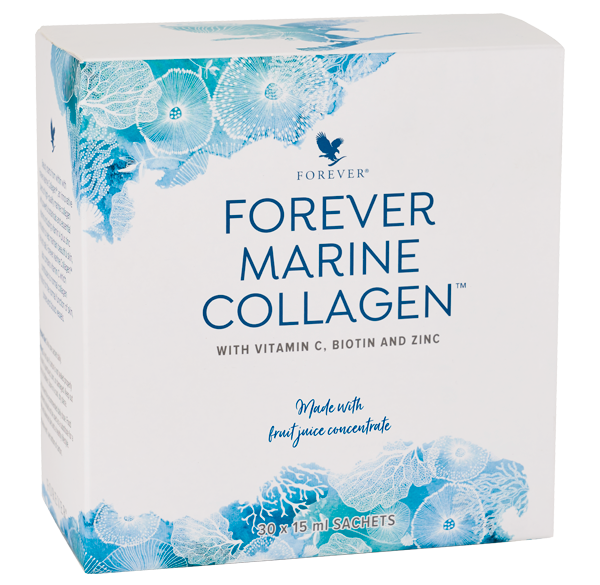 Forever Marine Collagen
A good fit when the goal is a routine for skin, hair, nails or joint-support habits.
Closest to a care routine for skin, hair or everyday personal care.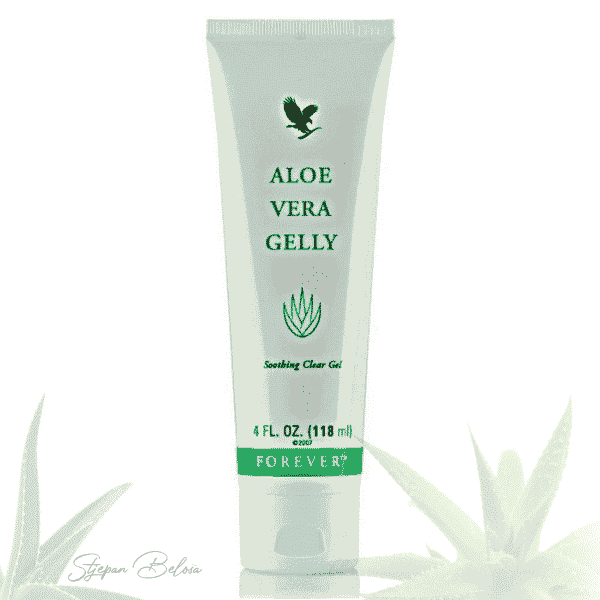 Aloe Vera Gelly
A practical outer-care product when the goal is skin comfort and a simpler care routine.
Closest to a care routine for skin, hair or everyday personal care.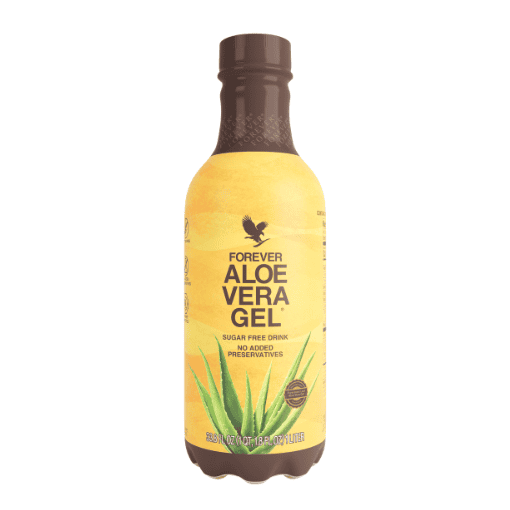 Aloe Vera Gel
A daily aloe drink for people who want simple support for digestion and routine.
It makes sense if you are looking at the topic through digestion and a simpler daily routine.Post-Acne Hyperpigmentation: How to Avoid Permanent Marks?
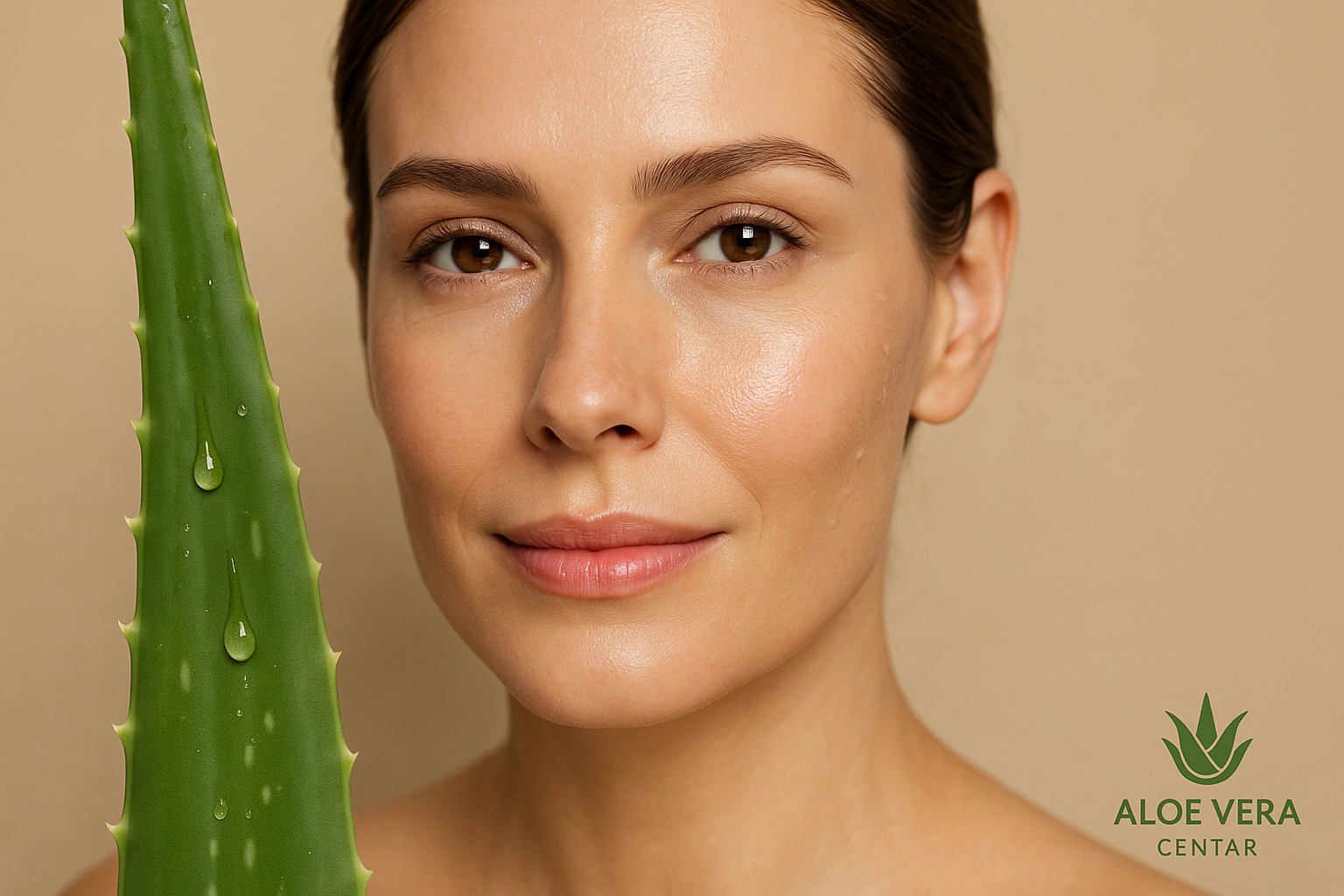
Post-acne hyperpigmentation is one of those frustrating aftereffects that remains even after pimples are gone. You might wonder why dark spots persist for months, even after you've finally calmed the inflammation. Here's the deal: it's your skin's natural response to inflammation and UV light. The good news is that a proper routine, a few smartly chosen ingredients, and consistency can work wonders. In this guide, you'll get a clear, uncomplicated plan - from distinguishing between types of marks to creating a daily care routine that delivers measurable results.What is post-acne hyperpigmentation and why does it occur
Post-inflammatory hyperpigmentation occurs when inflammation activates melanocytes, causing the skin to produce more melanin. The result is flat, darker spots where pimples used to be. This is different from a scar - the skin surface is smooth, but the color is uneven. If the marks are more reddish or purplish, it's likely post-inflammatory erythema, meaning dilated blood vessels after inflammation. Another culprit is the sun: UVA and UVB rays"lock in"the pigment and extend fading time. Another important point: the darker the complexion, the more prone the skin is to developing stronger and longer-lasting pigment after inflammation. That's why prevention is crucial from the very first pimple.Mistakes that worsen marks
- Squeezing and picking at pimples - increases inflammation and triggers additional melanin production.
- Skipping sun protection - UV rays deepen and prolong hyperpigmentation.
- Harsh exfoliation and too many actives at once - damages the barrier and causes new inflammation.
- Fragrances and irritants - unnecessarily irritate mark-prone skin.
- Inconsistent routine - irregular use of active ingredients yields irregular results.
Mark-Free Plan: 4 Steps That Make a Difference
This is the core routine you can implement right away. It's simple and sustainable.1) Gentle Cleansing and Balance Restoration
Choose mild cleansers that don't strip the skin"squeaky clean."A good example is Aloe Liquid Soap with soothing botanical components for daily use. After cleansing, prepare your skin with an alcohol-free hydrating toner - the goal is to restore pH and enable better penetration of active ingredients. If you prefer a minimalist approach with extra hydration, you can layer aloe-based textures or toner-boosters for a"plump"effect.2) Targeted Mark Treatment
The stars here are antioxidants and pigment-modulating ingredients: azelaic acid, niacinamide, vitamin C, AHA, and PHA. For sensitive skin, start slower and combine them with soothing bases. For example, you can prep your skin with a hydrating activator like Aloe Activator and then apply a serum with niacinamide or azelaic acid. For gentle exfoliation 1 to 3 times weekly, an enzymatic-mechanical peel like Smoothing Exfoliator is good for removing the grayish"veil"and accelerating skin tone evening.3) Barrier Repair and Hydration
Your skin barrier is your shield. Without it, active ingredients irritate and hyperpigmentation deepens. Include formulations rich in soothing polysaccharides and oil components that lock in moisture. A gel with high aloe content helps with redness and tightness - an example is Aloe Vera Gelly. If you need additional nourishment and antioxidant protection, a layer of fine oil complex like Forever Alpha E Factor can reduce transepidermal water loss and give skin suppleness.4) Sun Protection Every Morning
Without sun protection, there's no serious mark lightening. Choose broad-spectrum and reapply throughout the day. A practical choice for sensitive skin is a mineral-chemical combination with hydrating additions, like Aloe Sunscreen which protects against UVA and UVB rays and prevents"re-darkening."Active Ingredients That Proven to Help
- Azelaic Acid - works anti-inflammatory and lightening, good for both marks and active pimples simultaneously.
- Niacinamide - affects melanin transfer to the skin's surface while calming redness and strengthening the barrier.
- Vitamin C - antioxidant that neutralizes free radicals and contributes to a brighter, more vibrant complexion.
- Retinoids - promote skin renewal and collagen synthesis, and even out skin tone over time.
- AHA and PHA acids - accelerate exfoliation of surface cells where pigment"stays trapped."For sensitive skin, start with PHA.
- Licorice extract and arbutin - specifically modulate melanogenesis and nicely complement routines with niacinamide.
- Aloe vera - rich in polysaccharides like acemannan that soothe and support regeneration, helping reduce post-inflammatory darkening.
Weekly Plan You Can Copy
Morning
- Gentle cleansing - lukewarm water and mild cleanser.
- Toning or hydrating booster - layer as needed.
- Serum with niacinamide or vitamin C - choose one, rotate by days.
- Moisturizer - light, fragrance-free.
- Sun protection - generous and even, reapply during the day.
Evening
- Double cleansing if you wore SPF and makeup.
- Gentle exfoliation 1 to 3 times weekly with Smoothing Exfoliator - skip if you have an active, open lesion.
- Serum with azelaic acid or retinoid - don't combine everything in one evening.
- Soothing gel or night cream - for example, a layer of Aloe Vera Gelly followed by a few drops of Forever Alpha E Factor to lock in moisture.
Mark Prevention Starts When a Pimple Appears
- Don't touch, squeeze, or"scrape."
- During inflammation phase, focus on soothing and barrier - aloe gels, panthenol, and ceramides.
- Sun protection even when you're at home near windows.
- Remove makeup gently and in layers - find tips in the article skincare after makeup removal.
What Else You Can Do from Within
Even skin tone doesn't depend on serums alone. Hydration, antioxidant-rich diet, and good sleep reduce inflammation tendency. Why is this important? Less inflammation means fewer signals for melanin production. Take a look at the overview of antioxidant properties of aloe and remember how powerful a role polyphenols and vitamins play. If you're interested in the habits aspect, a short guide on fluid intake will help you arrange a daily rhythm - more in the text water intake.Frequently Asked Questions About Post-Acne Hyperpigmentation
How long does it take for marks to fade?
On average, several weeks to several months, depending on inflammation depth, skin phototype, and routine consistency. With daily SPF and targeted ingredients, first changes are often seen after 4 to 6 weeks, with more significant changes in 8 to 12 weeks.How do I know if it's hyperpigmentation or scarring?
If the skin surface is smooth but the color bothers you - it's usually hyperpigmentation. Scars are indentations or thickening. For scars, procedures like microneedling or professional peels are more effective, while marks usually resolve with home care.Can I exfoliate if I have sensitive skin?
Yes, but wisely. Start with PHA or enzymes once weekly and observe the reaction. If there's no redness or stinging, gradually increase to twice weekly. Gentle formulas like Smoothing Exfoliator are often well-tolerated.Can aloe vera really help with dark marks?
Aloe alone won't"erase"marks overnight, but it's an excellent base because it calms inflammation and helps the barrier. This indirectly prevents mark worsening and creates conditions where lightening serums work more efficiently.When to Seek Professional Help
If you have severe or long-lasting hyperpigmentation that doesn't respond to home care after 3 months, schedule a dermatologist appointment. Professional chemical peels, microneedling, and laser technologies can be a logical next step, but always combine them with daily care and sun protection for lasting results.Quick Path to a Personalized Plan
Want a simple, personalized routine based on your skin type and mark intensity, with clear instructions by days of the week? Try our smart advisor - just answer a few questions and get a routine suggestion within minutes. You can start here: use the AI advisor. If you're ready to introduce several key products into your daily routine, check the benefits and get 15% off your order. Important: stick to the consistency rule and use SPF every day - that's half the battle.Useful Links for Further Reading on Aloe Vera Center
- facial acne - smart routine for calming inflammation and fewer marks.
- Forever Balancing Toner - how toner restores balance and enhances serum effectiveness.
- aloe vera and lavender - natural combination for soothing irritated skin.
Conclusion
Post-acne hyperpigmentation doesn't have to be permanent. With gentle cleansing, targeted ingredients, barrier repair, and mandatory SPF, marks visibly fade over time. Start slowly, monitor how your skin reacts, and don't give up after the first week. Need help arranging a routine or want to buy proven products with benefits - the text lists tools and offers that make your first step easier. Your skin can be even and calm, and you more confident in front of the mirror. Note: This article is for educational purposes only and does not replace professional medical advice. For diagnosis and therapy, consult a physician or dermatologist, especially if you have severe skin problems or are pregnant/nursing.Additional Ideas and Related Reading
Complexion care doesn't stop at treating hyperpigmentation. If you want to round out your daily care and add small tricks for overall appearance, check out these topics too:- How to remove pimples – prevent new inflammation and potential marks before they appear.
- R3 Factor cream – combination of aloe vera and fruit acids for youthful appearance and even skin tone.
- Aloe vera as a home remedy – 10 practical ways to use aloe for skin soothing and daily care.
- Natural teeth whitening – because a healthy smile complements a fresh and well-groomed face.
Products most closely related to this topic
If you want to compare concrete options after reading, these products are the closest match to the article topic.
Forever Marine CollagenA good fit when the goal is a routine for skin, hair, nails or joint-support habits.
Closest to a care routine for skin, hair or everyday personal care.Aloe Vera GellyA practical outer-care product when the goal is skin comfort and a simpler care routine.
Closest to a care routine for skin, hair or everyday personal care.Aloe Vera GelA daily aloe drink for people who want simple support for digestion and routine.
It makes sense if you are looking at the topic through digestion and a simpler daily routine.Short answers that help
If you are still comparing options, these are the points worth checking before you continue.
What is useful to take from this article?
Use it to understand the topic more clearly and decide whether it connects with your current routine, habits or product comparison.
When should I ask for a recommendation?
Ask when you recognize the topic but are not sure which Forever product or next step fits your situation.
Does this replace professional advice?
Post-Acne Hyperpigmentation: how to Prevent Permanent Marks is educational content. For medical conditions, medication, pregnancy or persistent symptoms, include qualified professional advice.
Describe what you want to achieve
If you do not know which product to choose, write your goal, habits or doubts and get a more concrete suggestion.
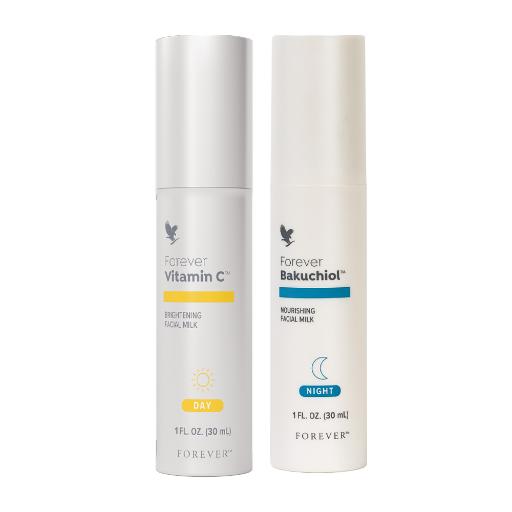
Recommended products
Related articles to keep exploring