
The key points from this article
- Rheumatoid arthritis is one of the most common autoimmune diseases that primarily attacks the joints, causing pain, inflammation, and gradual damage to cartilage and b...
- You may be wondering why it occurs and whether it can be controlled naturally, such as through diet or supplements?
- For personal questions, continue with a recommendation so the next step fits your situation.
Products most closely related to this topic
If you want to compare concrete options after reading, these products are the closest match to the article topic.
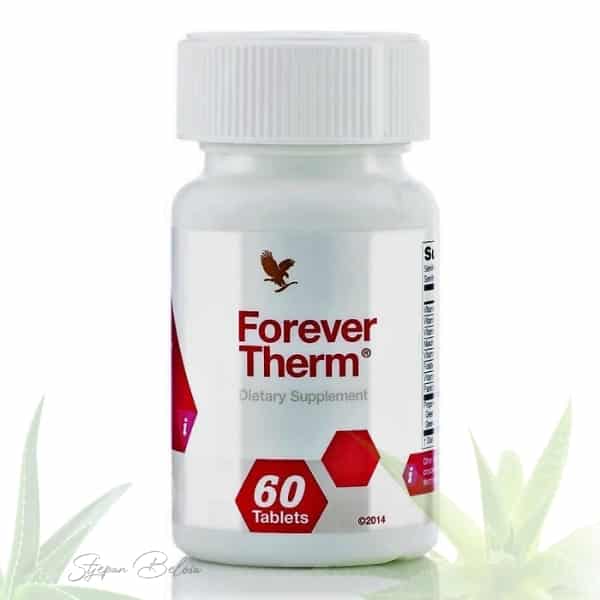 Forever Therm
Worth considering when you want energy support inside a weight-management routine.
It fits topics such as appetite, portions, energy or a weight-management routine. Aloe MSM Gel
A practical outer-care product when the goal is skin comfort and a simpler care routine.
Closest to a care routine for skin, hair or everyday personal care.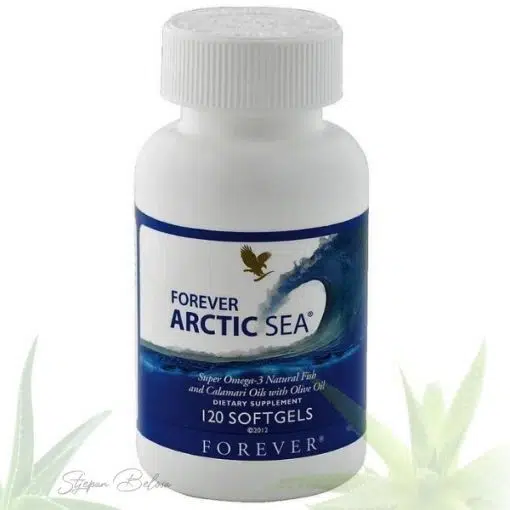 Arctic Sea Omega
A supplement for energy, heart and circulation routines when you want longer-term daily support.
Useful to compare when you are looking for energy, focus or vitality support.Rheumatoid arthritis: can diet alleviate the autoimmune reaction?
Rheumatoid arthritis is one of the most common autoimmune diseases that primarily attacks the joints, causing pain, inflammation, and gradual damage to cartilage and bone. You may be wondering why it occurs and whether it can be controlled naturally, such as through diet or supplements? Sounds too good to be true, right?
Read on to see that there are a number of strategies that can ease discomfort and slow the progression of the disease while improving quality of life. But that's not all...
In the rest of the article, you will discover how numerous studies have confirmed the importance of antioxidants, anti-inflammatory foods and targeted nutritional supplements for people struggling with rheumatoid arthritis. We will also look at how nutrition can complement standard therapies and why an individual approach is the key to success. In all of this, of course, it is necessary to take into account the severity of the condition,rheumatoid arthritis symptoms and the results of tests such as rheumatoid arthritis blood tests.
What is rheumatoid arthritis and how to recognize the symptoms?
Rheumatoid arthritis (RA) is a chronic autoimmune disease in which the immune system attacks healthy tissue, especially in the joints, causing chronic inflammation. While people often think of arthritis as only a problem for joints in older people, RA can also affect younger people, even children (in which case we are talking about the juvenile form of arthritis). The main mechanism is that white blood cells and inflammatory mediators cause damage to the membrane that lines the joint (synovium), resulting in swelling, pain and deformity.
What are arthritis symptoms, or specifically rheumatoid arthritis symptoms? Here are some of the most common signs:
- Joint pain and swelling: It most often affects smaller joints (such as those in the hands and feet) but can also spread to larger joints.
- Morning stiffness: People with RA often notice that it takes them 30 minutes or longer to “stretch” after waking up.
- Symmetry of symptoms: Pain or swelling usually occurs on both sides of the body, for example in both wrists.
- Fatigue and weakness: Constant inflammation can lead to feelings of exhaustion.
- Possible skin changes: Some people develop rheumatoid nodules – hard lumps under the skin near the joints.
Furthermore,rheumatoid arthritis blood tests often show elevated inflammatory parameters (CRP, SE), and may also include the presence of rheumatoid factor (RF) and anti-CCP antibodies. However, the diagnosis is always made by a doctor based on the clinical picture, tests and X-rays. If you would like to further educate yourself about autoimmune diseases and the approach that can support the immune system, the articleAutoimmune diseases: a natural path to stronger immunity on this site is useful, which explains how our lifestyle and diet can play a significant role.
How can diet affect rheumatoid arthritis?
While the disease cannot be cured by diet alone, numerous studies (such as onestudy on PubMed) show that certain foods and supplements can significantly help reduce inflammation and relieve pain. Here are key elements of an anti-inflammatory diet that can help ease RA symptoms:
1. Anti-inflammatory foods
- Omega-3 fatty acids: Found in fatty fish (salmon, sardines), walnuts, flaxseeds, and products like Forever Arctic Sea Omega. Omega-3s can help reduce inflammation in the joints.
- Vegetables and fruits with a high antioxidant content: Berries, spinach, kale, broccoli or peppers contribute to neutralizing harmful free radicals.
- Turmeric and ginger: Long known for their anti-inflammatory properties, adding turmeric to your meals or drinking ginger tea can provide benefits. For a more in-depth approach, you can check out the article Turmeric and Curcumin.
2. Reducing intake of pro-inflammatory triggers
- Refined sugar and processed carbohydrates: Baked goods, sweets and sweetened drinks can make inflammation worse.
- Red meat and meat products: In large quantities, they create a greater burden on the body, which can lead to additional inflammatory reactions.
- Trans fats and saturated fats: Found in commercial bakery products, industrial products and fast food.
In other words, by adopting a diet rich in whole foods and minimally processed ingredients, many people find that their rheumatoid arthritis symptoms (especially pain and stiffness) subside or become more tolerable. It's not a magical cure, but rather a way to provide the body with powerful nutritional support as it deals with inflammatory responses.
The role of aloe vera and dietary supplements
In an attempt to reduce inflammation, many people are turning to specific dietary supplements that can complement therapy and diet.Aloe vera is known to have soothing and anti-inflammatory properties, so it is often recommended in various forms – from juice, to topical gel, to formulations with additional active ingredients. For example,Forever Freedom combines aloe vera with glucosamine, chondroitin and MSM, which can provide additional support for joint health. While glucosamine and chondroitin are traditionally associated with the preservation of cartilage, MSM (methylsulfonylmethane) contributes to the normal function of connective tissue, which is beneficial for joint surfaces affected by RA.
If you have painful joints, you might also want to tryAloe MSM Gel for topical application to painful areas. Of course, it's important to know that no such preparation can replace medical therapy (such as NSAIDs and DMARDs), but rather serves as additional support.
Additionally, some users report benefit from products that enhance immunity or reduce oxidative stress, such asForever Immublend. Each body reacts differently, so it is crucial to experiment in consultation with a doctor and be aware of possible interactions with existing medications.
Rheumatoid arthritis blood test: why is it important?
Regular blood tests for rheumatoid arthritis help monitor the progress of the disease and the effectiveness of therapy. The most common ones are:
- CRP and ESR (erythrocyte sedimentation rate): These measure the level of inflammation in the body. When high, they indicate worsening symptoms or an active phase of the disease.
- Rheumatoid factor (RF) and anti-CCP antibodies: They indicate an autoimmune component, but their presence (or absence) is not absolute proof or exclusion of RA.
- Complete blood count: Checks possible anemia (often with chronic inflammation) and other parameters.
When you improve your diet and make certain lifestyle changes, you may notice a decrease in the levels of inflammatory markers in your blood. This is a good sign that you are on the right track. Combined with regular check-ups and cooperation with a rheumatologist, it is possible to adjust your therapy and achieve better symptom management.
Physical activity and stress management
In addition to diet, there is another important factor – exercise. In the case of rheumatoid arthritis, exercise should be moderate, tailored and focused on maintaining flexibility and muscle mass. Examples of suitable activities include:
- Walking: Easy walks or Nordic walking help the cardiovascular system and joints, without being too strenuous.
- Swimming: In water, the load on the joints is reduced, and the entire body remains in motion.
- Yoga and Pilates: Improve stability, coordination and muscle stretching while strengthening the deep muscles that support the joints.
Stress plays a big role in autoimmune diseases, so it's a good idea to learn relaxation techniques, meditate, or simply make sure to take some time for yourself every day. If you're looking for more inspiration on how to stay motivated and cope with stress, you can readabout how to stay motivated and find coping strategies that suit your personality.
How important is nutrition compared to medication?
Many people wonder if dietary changes are enough to stop or reverse the progression of RA. Unfortunately, rheumatoid arthritis is a complex and aggressive disease, and most patients also need specific medical therapy (DMARDs, biologics, etc.) to keep inflammation under control and prevent permanent joint damage. However, diet can help to:
- You respond faster to treatment and/or reduce the side effects of some medications.
- Stabilize your body mass and reduce pressure on your joints – especially your knees and hips.
- It contributes to a better mood and an all-round sense of well-being, which is extremely important in chronic diseases.
In other words, a healthy, anti-inflammatory diet is not a substitute for medication, but it is a powerful weapon in your arsenal to combat rheumatoid arthritis. Of course, everyone will react differently to the same foods, so it's a good idea to monitor how you feel after making changes to your diet and adjust your approach as needed.
Frequently asked questions
Can rheumatoid arthritis be completely cured with diet?
Unfortunately,rheumatoid arthritis cannot currently be completely cured, but diet can help reduce the intensity of symptoms and slow the progression of the disease. It is usually combined with prescribed therapy, physical activity and lifestyle adjustments to achieve the best result.
What are the key foods that people with RA should avoid?
Most experts recommend avoiding processed foods, refined sugar, trans fats, and too much red meat. Excessive alcohol consumption can also negatively affect inflammation. Of course, you should always be aware of individual intolerances or allergies.
Is it safe to take supplements like glucosamine and aloe vera without consulting a doctor?
Supplements can be helpful, but if you are already taking medication for RA or have other health concerns, it is recommended to consult your doctor or pharmacist. Some supplements may interact with medications, while others may prove to be extremely beneficial. Every body reacts differently, so an individualized approach is best.
Can pregnant women with RA apply the same dietary recommendations?
During pregnancy, it is important to follow the instructions of gynecologists and rheumatologists and make sure that the diet is rich in nutrients. Some supplements used to relieve RA may not be suitable during pregnancy. It is best to adjust everything in consultation with a medical expert.
Conclusion
Rheumatoid arthritis certainly presents a major challenge – from chronic pain and inflammation, to a grueling race against time to prevent further joint damage. The good news is that diet and targeted supplements can alleviate some of the discomfort and support a better quality of life. By consuming anti-inflammatory foods such as fatty fish, vegetables, fruits and spices such as turmeric or ginger, you can provide your body with additional help in fighting the inflammatory processes. At the same time, limiting sugar and industrial products prevents increased inflammation and unnecessary calorie surplus.
If you're interested in further researching how different products and supplements can fit into your plan, visitan AI advisor and explore recommendations tailored to your habits and goals.
Related topics with rheumatoid arthritis and autoimmune diseases:
- Hashimoto's symptoms: 15 early signs of autoimmune thyroid disease
- Lupus symptoms: how to recognize lupus and help yourself naturally
- Multiple Sclerosis: Diet, Supplements, and Exercise to Reduce the Autoimmune Reaction
- Autoimmune diseases and natural immune support – a complete guide
Products most closely related to this topic
If you want to compare concrete options after reading, these products are the closest match to the article topic.
Forever ThermWorth considering when you want energy support inside a weight-management routine.
It fits topics such as appetite, portions, energy or a weight-management routine.Aloe MSM GelA practical outer-care product when the goal is skin comfort and a simpler care routine.
Closest to a care routine for skin, hair or everyday personal care.Arctic Sea OmegaA supplement for energy, heart and circulation routines when you want longer-term daily support.
Useful to compare when you are looking for energy, focus or vitality support.Short answers that help
If you are still comparing options, these are the points worth checking before you continue.
What is useful to take from this article?
Use it to understand the topic more clearly and decide whether it connects with your current routine, habits or product comparison.
When should I ask for a recommendation?
Ask when you recognize the topic but are not sure which Forever product or next step fits your situation.
Does this replace professional advice?
Rheumatoid arthritis: nutrition to support the autoimmune response is educational content. For medical conditions, medication, pregnancy or persistent symptoms, include qualified professional advice.
Describe what you want to achieve
If you do not know which product to choose, write your goal, habits or doubts and get a more concrete suggestion.
Recommended products
Related articles to keep exploring