
The key points from this article
- Vitamin D is actually a hormone that plays a vital role in multiple body systems – from immunity and mood to bone health.
- Did you know that 80% of adults don't have optimal levels of this vitamin?
- For personal questions, continue with a recommendation so the next step fits your situation.
Products most closely related to this topic
If you want to compare concrete options after reading, these products are the closest match to the article topic.
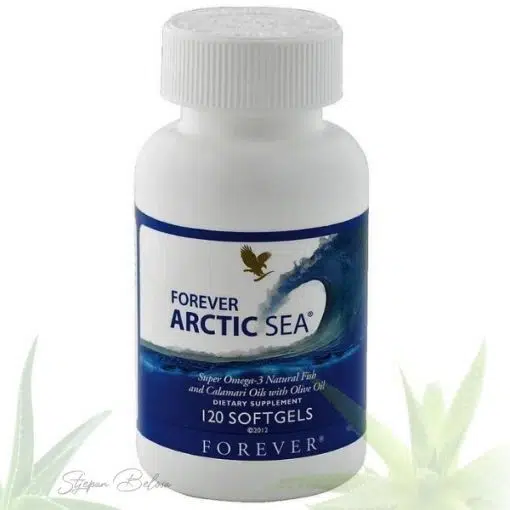 Arctic Sea Omega
A supplement for energy, heart and circulation routines when you want longer-term daily support.
Useful to compare when you are looking for energy, focus or vitality support. Forever Active Pro B
Probiotic support when you want an easier daily way to care for digestion.
It makes sense if you are looking at the topic through digestion and a simpler daily routine.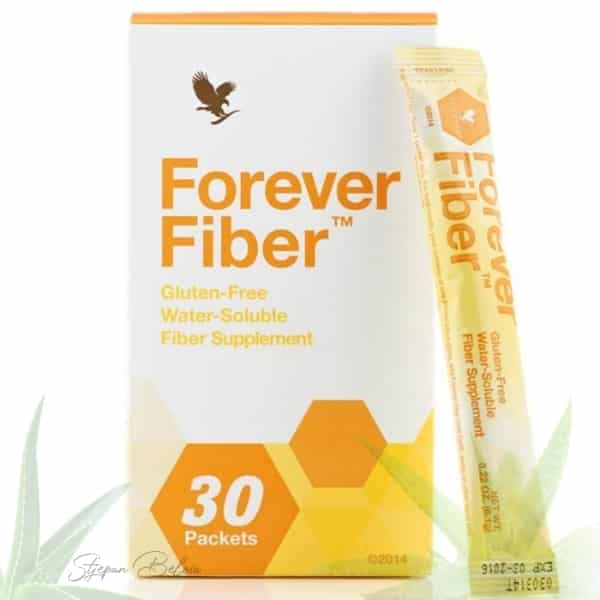 Forever Fiber - FIBER
A simple fiber add-on when you want digestion and satiety support during the day.
It fits topics such as appetite, portions, energy or a weight-management routine.Vitamin D: the Key to Strong Immunity, Mood, and Bone Health
Vitamin D is actually a hormone that plays a vital role in multiple body systems – from immunity and mood to bone health. Did you know that 80% of adults don't have optimal levels of this vitamin?
What is Vitamin D and why Do We Need it?
Vitamin D helps the body absorb calcium and phosphorus, key minerals for strong bones. It also regulates the immune and nervous systems.You might be wondering why it's so important? Here's what it's all about:
- Strengthens defense against infections
- Helps maintain mood and reduce anxiety
- Supports muscle strength and endurance
People with normal vitamin D levels show 35% lower risk of respiratory diseases.
How to get Enough Vitamin D?
1. Sun Exposure
Skin produces vitamin D when exposed to UVB rays. It's recommended to get 10-20 minutes of sun exposure three to four times a week, without SPF on face and hands. However, it's important to balance – but that's not all... too much sun carries the risk of sunburn and accelerated aging.
2. Foods Rich in Vitamin D
Our diet can also help. Include fatty fish, eggs, and mushrooms. If you're vegan or don't eat fish, additional sources are supplements:
- Fatty fish (salmon, herring)
- Eggs with red yolks
- Fortified products: milk, plant-based milk
3. Supplements – when They're Necessary
When sun exposure and diet are insufficient, supplementation is recommended. Adults typically need 1000-2000 IU daily, but for specific groups (elderly, people with dark skin, pregnancy) doses may be higher.
Who Needs Supplementation the most?
- People over 55 – due to osteoporosis risk
- People with dark skin or those who spend a lot of time indoors
- Pregnant and nursing women – vitamin D is involved in baby's bone development
- Athletes and physically active people – for better performance
Vitamin D and the Immune System
Vitamin D modulates immune system response: it stimulates antimicrobial peptide production and reduces chronic inflammation. According to data published on Healthline, people with optimal vitamin D levels have lower risk of sore throat and colds.
Additionally, together with probiotics and zinc, vitamin D helps during flu seasons—for more detailed advice, check out the article onboosting immunity.
Vitamin D and Mood: a Natural Antidepressant?
Research shows a connection between low vitamin D levels and increased risk of depression. Supplementation significantly improves mood and energy, especially in fall and winter. What if mood is important to you?
How to Check your Vitamin D Level?
Your doctor can order a blood test – 25(OH)D value. Here are the reference values:
- <20 ng/mL – deficiency
- 20-30 ng/mL – insufficient
- 30-50 ng/mL – optimal
- >50 ng/mL – high (but still safe)
Sounds too good to be true? Regular monitoring helps adjust intake and avoid overdosing.
Examples of Combined Lifestyle Tips
- Morning outdoor walk – brief sun exposure, vitamin D + active start to the day.
- Healthy meals – fatty fish, fortified plant drinks, eggs.
- Targeted supplementation – especially during winter or if you have low levels.
- Regular monitoring – blood work every 6 months.
How Can Aloe Vera Center Help?
We often recommend a combined approach to our clients: diet, sun exposure, and supplements. For example, Forever offers excellent products such asForever Arctic Sea Omega – a combination of omega-3 fatty acids for additional immune and cognitive support. Also,Forever Fiber helps with healthy digestion, which is key for optimal nutrient utilization, including vitamin D.
Want a personalized intake plan? Use ourAI advisor – discreet, quality, and tailored to you.
Most Common Mistakes People Make
- Not taking vitamin D during winter
- Not combining intake with fats – vitamin D is fat-soluble
- Not monitoring results - often switching to a lower dose too late
Frequently Asked Questions
1. How much Vitamin D should I Take Daily?
For adults, 1000-2000 IU is often recommended, but the optimal dose depends on blood levels, age, lifestyle, and individual needs.
2. Can I Overdose on Vitamin D?
Yes, doses of >10,000 IU daily over an extended period can cause hypercalcemia. Therefore, monitor levels and follow recommendations.
3. Can Vitamin D Alone Regulate Mood?
Vitamin D can improve mood, especially with mild depression, but it's not a replacement for therapy if you have serious symptoms.
4. When is the Best Time to Take Vitamin D?
It has the greatest effect with a fatty meal (e.g., dinner with olive oil), and combining it with vitamin K2 further enhances calcium absorption.
Conclusion
Additional Sources and Related Literature
Want to learn more about practical ways to cover daily vitamin D needs? Check out our guideVitamin D – Strong Bones, Better Immunity, and Bright Mood which details the benefits and recommendations.
If you're considering supplements, check outForever Absorbent-D – a supplement that combines vitamin D with fiber for optimal absorption, andForever Calcium – the perfect partner for vitamin D in preserving bones and teeth.
Finally, be sure to read the article aboutthe synergy between calcium and vitamin D – because it's the combination of these two nutrients that makes the difference between average and optimal bone protection.
By combining proper nutrition, targeted supplementation, and regular blood level monitoring, you ensure long-term support for your immune system, mood, and bone health.
Note: This article is for informational purposes and is not a substitute for professional medical advice. For serious concerns, please consult your doctor.
Products most closely related to this topic
If you want to compare concrete options after reading, these products are the closest match to the article topic.
Arctic Sea OmegaA supplement for energy, heart and circulation routines when you want longer-term daily support.
Useful to compare when you are looking for energy, focus or vitality support.Forever Active Pro BProbiotic support when you want an easier daily way to care for digestion.
It makes sense if you are looking at the topic through digestion and a simpler daily routine.Forever Fiber - FIBERA simple fiber add-on when you want digestion and satiety support during the day.
It fits topics such as appetite, portions, energy or a weight-management routine.Short answers that help
If you are still comparing options, these are the points worth checking before you continue.
What is useful to take from this article?
Use it to understand the topic more clearly and decide whether it connects with your current routine, habits or product comparison.
When should I ask for a recommendation?
Ask when you recognize the topic but are not sure which Forever product or next step fits your situation.
Does this replace professional advice?
Vitamin D: why It's Important and how to Optimize your Intake is educational content. For medical conditions, medication, pregnancy or persistent symptoms, include qualified professional advice.
Describe what you want to achieve
If you do not know which product to choose, write your goal, habits or doubts and get a more concrete suggestion.
Recommended products
Related articles to keep exploring