
The key points from this article
- Just the word can make some people feel a sinking feeling in their stomachs, especially if they’re trying to fall asleep after a long day.
- Perhaps you’ve found yourself lying awake at times, with the same thought patterns running through your head, preventing you from getting the rest you’ve been longing...
- For personal questions, continue with a recommendation so the next step fits your situation.
Products most closely related to this topic
If you want to compare concrete options after reading, these products are the closest match to the article topic.
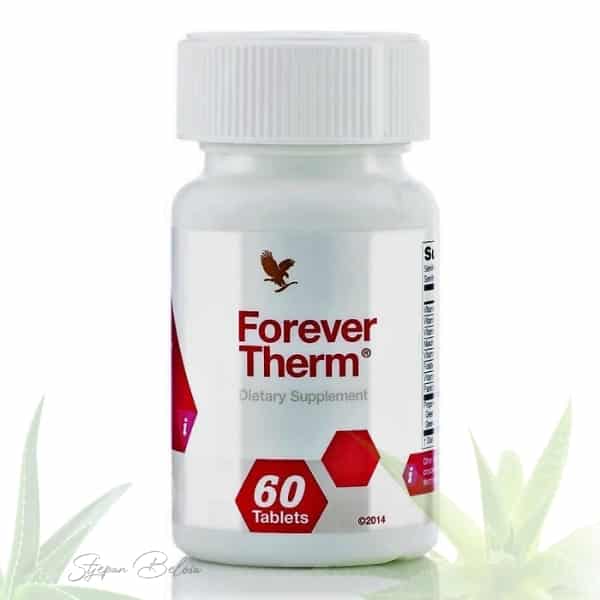 Forever Therm
Worth considering when you want energy support inside a weight-management routine.
It fits topics such as appetite, portions, energy or a weight-management routine. Aloe Vera Gel
A daily aloe drink for people who want simple support for digestion and routine.
It makes sense if you are looking at the topic through digestion and a simpler daily routine.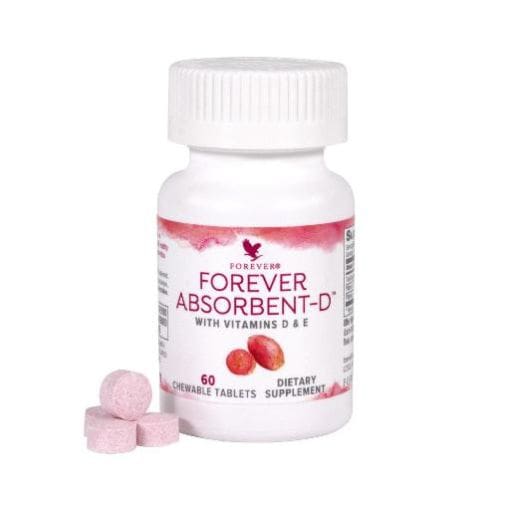 Forever Absorbent D
A simple fiber add-on when you want digestion and satiety support during the day.
It fits topics such as appetite, portions, energy or a weight-management routine.Anxiety and sleep: simple exercises and teas before bed
Anxiety. Just the word can make some people feel a sinking feeling in their stomachs, especially if they’re trying to fall asleep after a long day. Perhaps you’ve found yourself lying awake at times, with the same thought patterns running through your head, preventing you from getting the rest you’ve been longing for. Sound familiar? If so, you’re not alone. Many people, especially those between the ages of 30 and 55, juggle work and family responsibilities, and stress builds up. And then, when we finally find the time to sleep, our thoughts “wake up” and won’t let us rest.
In this article, we’ll focus on this very connection between anxiety and sleep quality. We’ll look at why our minds “won’t let us” fall asleep, how anxiety can cause problems in the long run, and what specific exercises and drinks you can try before bed. Sounds too good to be true? Read on. We’ll present practical, step-by-step ways to deal with nighttime anxiety, including natural remedies likeAloe Blossom Herbal Tea and simple relaxation techniques you can implement tonight.
Why is good sleep so important?
You may be wondering, “How can sleep help me, or what will happen if I don’t get enough?” According toresearch by Healthline, chronic sleep deprivation can increase stress levels, reduce productivity, and impair our immune systems. In other words, when we’re overworked, we’re more prone to anxiety and panic attacks. This creates a vicious cycle—the more anxious we are, the less we sleep; the less we sleep, the more likely we are to experience anxiety again the next day.
It may seem like there’s no way out, but the good news is that there is. The vast majority of mental health experts emphasize that good sleep hygiene can be cultivated with simple, yet consistent habits. It’s important to know that even small improvements can make a big difference. However, the first step is to understand why anxiety disrupts our sleep so much.
Anxiety and the 'flight or fight' mechanism
Our bodies have an innate “fight-or-flight” system that helps us survive. When we feel scared or stressed, our bodies release hormones like cortisol and adrenaline, preparing us to face danger. This is very useful when we are faced with real life threats. However, in the modern world, we often experience “false alarms” – instead of dangerous predators, stress can be caused by deadlines at work or family disagreements. This surge of hormones makes it difficult to relax and fall asleep peacefully.
What further burdens us is the fact that this increased stress, or anxiety, often occurs the moment we go to bed. Psychologists explain that during the day our thoughts are occupied with various tasks, while in the evening the focus shifts to worries and problems that we haven't had time to process. But that's not all... We often wonder why we stay awake for hours. Here's the thing: an imbalance in our stress hormones, a lack of coping strategies, and inadequate sleep hygiene can all combine to lead to nighttime anxiety.
What are the consequences of poor sleep due to anxiety?
But that's not all. Chronic anxiety and insomnia can manifest themselves in a whole range of symptoms. If you notice the following signs, consider that your insomnia may not be just a "normal phase":
- The onset of chronic fatigue: A feeling of exhaustion that doesn't go away, even after the weekend.
- Loss of concentration: You forget small things, lose focus when solving tasks.
- Irritability and sudden mood swings: Small annoyances become a source of great frustration.
- Physical symptoms: Muscle tension, headaches, digestive problems, or heart palpitations.
If you're experiencing any of these symptoms, you may want to consider taking more specific steps to improve your sleep and reduce your anxiety levels. Solutions don't have to be complicated, and often involve small changes to your routine, such as drinking light herbal teas or practicing gentle breathing exercises.
Practical relaxation exercises before bed
You may be wondering, “How can I practically calm my mind and body before bed?” The good news is that there are very simple techniques you can try tonight. Read on, because below we bring you the most popular methods that have proven effective for many people.
1. Conscious breathing technique
Mindful breathing involves focusing your full attention on your breath. You don't need any special equipment: sit or lie down comfortably, close your eyes, and focus on the air going in and out of your lungs. You can count to 4 as you inhale, hold your breath for a count of 2, and then exhale for a count of 4. As you do this, imagine each exhale taking away tension and worries.
2. Progressive muscle relaxation
This technique is extremely useful if you are prone to physical tension. Start with your toes and slowly, mentally or with actual movements, tighten your muscles for a few seconds, then release. Continue in order with the muscles of your feet, calves, thighs, stomach, arms, all the way to your face. As you do this, notice the difference between tension and relaxation. Many people fall asleep before completing the entire circuit.
3. A short meditation before sleep
You don’t have to be a “guru” to meditate briefly. Just sit or lie down, close your eyes, and imagine a calming image – the seashore, a flower meadow, or anything that fills you with peace. Gentle sounds of nature or soft music can be a good addition. Focus on that image and allow your thoughts to come and go, without holding back.
If you need additional ideas for meditation techniques, be sure to check out the articleMind and Body: Short Meditation Techniques for Beginners, which explains different variations of guided exercises that can be applied just before bed.
Note: All of the exercises listed do not require lengthy preparation. 5 to 15 minutes is enough to calm the body and prepare it for sleep. These methods can be combined or changed from night to night, depending on your preferences.
The blissful power of herbal teas
Along with relaxation exercises, many are turning to natural beverages. One reason is their gentleness and the fact that they avoid chemical compounds that could be addictive or have side effects. Warm herbal teas are especially popular because they not only have a calming effect, but also encourage a routine that reminds us that it is time to rest.
Here are a few herbs traditionally associated with better sleep and stress reduction:
- Chamomile: One of the most famous herbs for relaxation. It has anti-inflammatory and calming properties.
- Lemon balm: Often used for stress and nervousness, as it contributes to a better mood.
- Lavender: Known for its soothing scent that helps calm anxious thoughts.
- St. John's wort: Known as a natural support for milder forms of depression and anxiety, but it is important to be aware of possible interactions with medications.
Furthermore, if you want to try something special,Aloe Blossom Herbal Tea combines the beneficial effects of aloe vera with floral and herbal notes. This tea can be an extremely tasty and beneficial addition to your evening rituals. It is enriched with herbs such as cinnamon bark and ginger, which contribute to its warmth and pleasant taste.
How can aloe vera help with your evening routine?
You may be wondering, “Why is aloe vera so often recommended for anxiety and sleep?” Aloe vera is known for its soothing and restorative properties, not only for the skin but also for the overall well-being of the body. WhileAloe Vera Gel can help balance digestion and support the immune system, the soluble component of aloe vera in the form of a tea or drink provides a beneficial sense of calm.
According toa 2020 study on PubMed, certain components of aloe vera show potential in regulating stress levels and improving the functioning of the digestive system, which is often the first victim of excessive anxiety. It is true that aloe vera is not a “magic wand” for all problems, but it can certainly be part of a broader, holistic approach.
The cycle of worries: how to 'turn them off' before going to bed?
One of the biggest problems with anxiety is the constant swirling of worries in your head. If you've ever found yourself lying in bed thinking about tomorrow's to-do list, a disagreement with a coworker, or whether you locked the front door, then you know how exhausting it can be.
Mental health experts often recommend the so-called “brain dump” method – take a notebook and write down everything that comes to mind. This way, you transfer your worries from your head to paper, which psychologically gives you the impression that you have “solved” or at least brought those thoughts under control. After that, start with one of the breathing or relaxation techniques mentioned above.
Additionally, if you are interested in addressing anxiety and stress on a deeper level, you can exploreStress and Cortisol: How Herbal Adaptogens Help Restore Balance. It discusses herbal supplements that can support normal hormone production and restore a sense of calm throughout the day.
Building a healthy evening routine
A healthy evening routine can be key in “programming” our bodies and minds for restful sleep. Here are some practical suggestions:
- Turn off screens on time: Blue light from cell phones and computers interferes with melatonin production. Try to turn them off at least 30 minutes before bed.
- Use dim lighting: Soft lighting or candles can help calm the brain.
- Warm bath or shower: Raises body temperature, and then when the body starts to cool, it sends signals to the brain that it's time to sleep.
- Relax with tea: Brew a cup of warm herbal tea, like Aloe Blossom Herbal Tea, and take a few minutes to enjoy its taste and aroma.
- Create a “slow pace”: Clothing, movements, even speech – everything should be done slowly and with an awareness of relaxation.
These routines can become a pleasant habit that you will look forward to knowing that each step brings you closer to a peaceful sleep.
The role of diet and daily habits
Anxiety and sleep are not solely dependent on what you do in the last hour or two before bed. Your overall lifestyle plays a significant role. According to numerous studies, regular physical activity, a balanced diet rich in nutrients, and adequate hydration can significantly reduce stress levels.
For example,foods rich in magnesium – such as green vegetables, nuts and seeds – can have a positive effect on the functioning of the nervous system. Some people report improved sleep after increasing their intake of magnesium, vitamin D and B complex. Of course, everyone is different and you should experiment with what works best for you.
It's also no secret that coffee, energy drinks, and alcohol can disrupt your sleep rhythm. If you're particularly sensitive or experiencing a period of heightened stress, consider cutting back on your consumption of stimulants, especially in the afternoon and evening.
Expert support and additional options
Sometimes anxiety goes beyond our self-help capabilities. If you continue to suffer from chronic insomnia despite various techniques and lifestyle changes, consider talking to a doctor or psychologist. Professional support can significantly speed up progress and provide you with specific tools for dealing with anxiety.
Additionally, if you want an even deeper and more personalized analysis of your habits, consider taking advantage of ourAI advisor. It will provide you with a series of guidelines and personalized recommendations to further customize your sleep routine and anxiety-fighting methods.
Frequently asked questions
1. Is it okay to drink tea right before bed?
Yes, as long as it is a decaffeinated herbal tea. However, it is recommended to drink a smaller amount so that a full bladder does not wake you up during the night. Be careful with the type of plant to avoid stimulating ingredients.
2. Can anxiety get worse if I exercise before bed?
Intense physical activity right before bed can increase adrenaline levels and make it harder to fall asleep. However, gentle stretching exercises, light yoga, or meditation can usually help calm you down. It all depends on the intensity and how you listen to your body.
3. To what extent is regular consumption of aloe vera safe?
Aloe vera products are generally safe when used within recommended dosages. However, people with certain medical conditions or who are taking certain medications should consult a doctor. Quality products like those from Aloe Vera Center that we recommend undergo testing and standardized manufacturing processes.
4. How long does it take to see results from applying these tips?
Everyone reacts differently. Some people notice improvement after just a few days, while others may need several weeks. Consistency is key – practicing relaxation techniques regularly and establishing a healthy routine often yields long-term results.
Conclusion
The combination of anxiety and insomnia is something that many people struggle with, and sometimes it seems like there is no solution. However, there are a number of small, everyday changes and natural approaches that can significantly ease the condition. From simple breathing exercises and muscle relaxation to herbal support likeAloe Blossom Herbal Tea, every gesture aimed at calming the body and mind is well worth your effort.
Products most closely related to this topic
If you want to compare concrete options after reading, these products are the closest match to the article topic.
Forever ThermWorth considering when you want energy support inside a weight-management routine.
It fits topics such as appetite, portions, energy or a weight-management routine.Aloe Vera GelA daily aloe drink for people who want simple support for digestion and routine.
It makes sense if you are looking at the topic through digestion and a simpler daily routine.Forever Absorbent DA simple fiber add-on when you want digestion and satiety support during the day.
It fits topics such as appetite, portions, energy or a weight-management routine.Short answers that help
If you are still comparing options, these are the points worth checking before you continue.
What is useful to take from this article?
Use it to understand the topic more clearly and decide whether it connects with your current routine, habits or product comparison.
When should I ask for a recommendation?
Ask when you recognize the topic but are not sure which Forever product or next step fits your situation.
Does this replace professional advice?
Anxiety and sleep: The best exercises and teas for a restful night is educational content. For medical conditions, medication, pregnancy or persistent symptoms, include qualified professional advice.
Describe what you want to achieve
If you do not know which product to choose, write your goal, habits or doubts and get a more concrete suggestion.
Recommended products

Related articles to keep exploring